
End Lounge Motorhomes: Best Layouts for Wild Camping
Why End Lounge Layouts Dominate
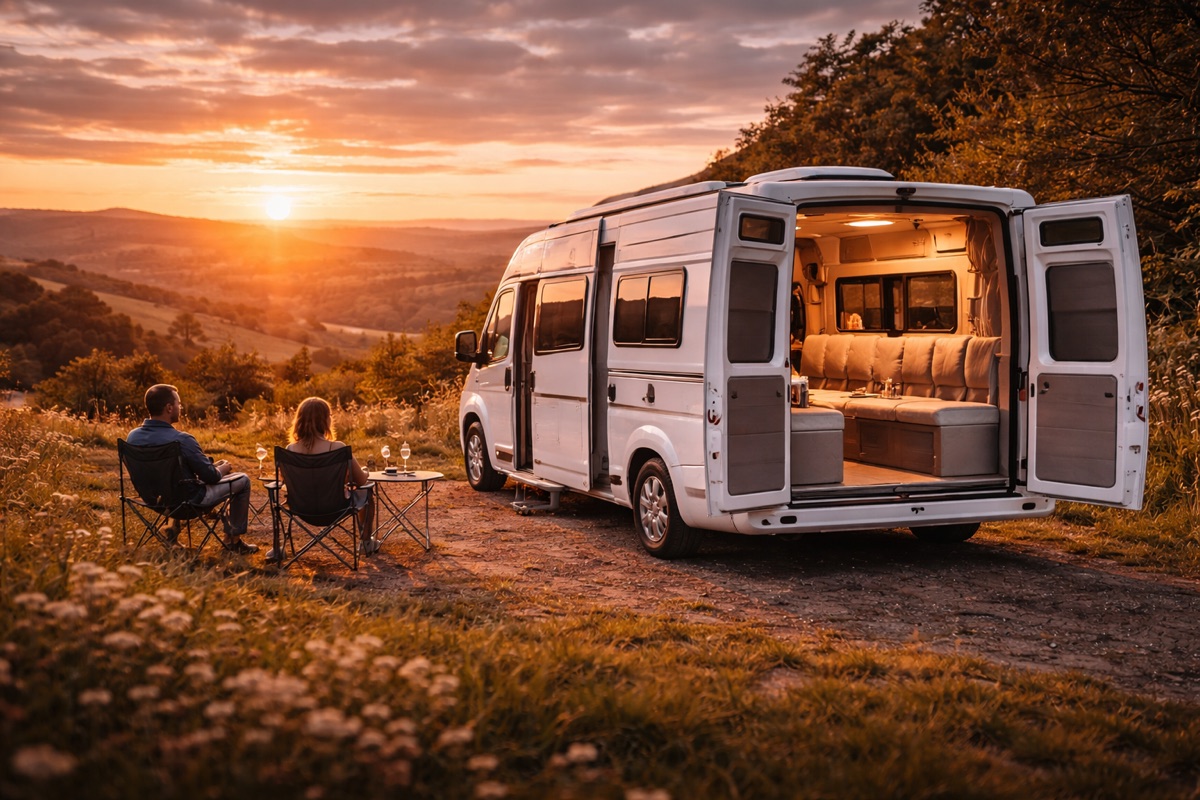
Ask experienced motorhome touring couples which layout they prefer, and the answer is overwhelmingly the end lounge. This configuration — with a spacious seating area at the rear of the motorhome — has become the default choice for two-person touring, and with good reason. It combines sociable living space, flexible sleeping arrangements, and panoramic rear views that transform wild camping into something genuinely special.
The end lounge layout places a large L-shaped or U-shaped seating area at the rear, converting to a double bed at night. The kitchen occupies the middle section, with a washroom and often a fixed bed above or a drop-down bed in the overcab area. This arrangement creates a natural flow through the vehicle and maximises the living space that matters most.
The Wild Camping Advantage
End lounge motorhomes excel at wild camping for several compelling reasons:
Panoramic Views
Most end lounge designs feature large rear windows, often wrapping around the corners. Park facing a Highland loch, a coastal sunset, or a mountain panorama, and your lounge becomes a private viewing gallery. This isn't marketing hyperbole — the difference between staring at a bedroom wall and watching the sun set over Skye from a comfortable sofa is transformative.
Sociable Space
The generous lounge area seats four comfortably for dinner, making end lounges ideal for hosting neighbouring campers or travelling with friends. Board games, shared meals, and long evenings chatting are all more comfortable with proper seating space. During rainy days — inevitable in British wild camping — the lounge provides a retreat that doesn't feel claustrophobic.
Flexible Sleeping
Converting the lounge to a bed takes minutes, and modern designs make this increasingly painless. Some manufacturers have refined the conversion to a simple cushion rearrangement; others use electric mechanisms. The resulting bed is typically generous (190cm+ long, 140cm+ wide) and genuinely comfortable for nightly use.
End Lounge Models Worth Considering
Swift Kon-Tiki 669/649
The Swift Kon-Tiki end lounge has been the benchmark for decades. The 669 (and its successor, the 649) offers a spacious rear lounge with wrap-around windows, well-positioned kitchen, and separate washroom. Swift's SMART construction provides excellent damp resistance, and the brand's extensive dealer network simplifies ownership. Read our full Kon-Tiki buying guide for detailed advice.
Bailey Autograph/Approach
Bailey offers excellent end lounge layouts in their Autograph (coachbuilt) and Approach (low-profile) ranges. The Alu-Tech construction provides competitive build quality at lower prices than Swift equivalents. Bailey end lounges feature generous window areas and well-designed conversion mechanisms.
Auto-Trail Tracker/Imala
Auto-Trail's end lounge models combine British build quality with practical design. The Tracker range offers value-oriented end lounges, whilst the Imala steps up in specification and finish. Auto-Trail's Grimsby factory produces vehicles specifically designed for UK touring conditions.
Bessacarr 599
The Bessacarr 599 (now discontinued but widely available used) offered a premium end lounge experience within the Swift Group family. Higher specifications than standard Swift models, combined with the end lounge layout, make used 599s attractive for buyers wanting luxury without the premium German price tag.
Hymer B-Class
Hymer's B-Class end lounge models represent the premium end of the market. German build quality, superior insulation for four-season use, and refined interior design set Hymers apart. Used prices reflect this premium, but the build quality means older Hymers often present better than newer budget alternatives.
What to Look For in a Used End Lounge
Conversion Mechanism
Test the lounge-to-bed conversion yourself. Some designs are elegant and quick; others are frustrating nightly ordeals. Check that all cushions fit properly, the bed surface is even (no gaps or lumps), and that the mechanism operates smoothly after years of use. Worn catches, stiff hinges, or missing cushion retainers indicate heavy use.
Rear Panel Condition
The rear of the motorhome takes the brunt of road spray, and the large rear windows create multiple potential water ingress points. Check carefully around every window seal, the rear panel joints, and inside the lounge corner areas. Any signs of staining, soft spots, or musty smells warrant professional investigation.
Upholstery Condition
End lounge seating gets heavy daily use — it's where occupants spend most waking hours. Check for fabric wear, foam compression (sit down and see if you sink to the base), and cushion cover condition. Re-upholstery is possible but costs £1,000–£2,000 — factor this into your offer price.
Window Blinds and Flyscreens
End lounges have multiple large windows, each with blinds and often flyscreens. Check every one operates smoothly. Replacement blind cassettes are expensive (£100–£200 each), and end lounges may have four or five windows. Stuck or broken blinds are common on older models.
End Lounge vs Other Layouts
End Lounge vs Fixed Island Bed
The fixed island bed eliminates daily conversion but sacrifices lounge space. For couples who dislike making beds, the island bed wins on convenience. For those who prioritise living space and don't mind a two-minute conversion, the end lounge is superior. Many experienced tourers who've tried both return to end lounges for the living quality.
End Lounge vs French Bed
French bed layouts (a sideways-mounted fixed bed at the rear) offer a compromise: permanent sleeping with some remaining lounge space underneath. However, the lounge is typically smaller and less sociable than a dedicated end lounge. The French bed suits buyers who want both convenience and some social space.
The Verdict
For touring couples who wild camp regularly, the end lounge layout is hard to beat. The combination of sociable living space, panoramic views, and flexible sleeping arrangements makes every evening at a remote camping spot a genuine pleasure rather than a spatial compromise.
Browse end lounge motorhomes in our showroom or set up a stock alert to catch the perfect one.
Looking for your next motorhome? Browse our showroom of quality used motorhomes from trusted UK dealers.