
Best Compact Motorhomes for Wild Camping — Under 6m Guide
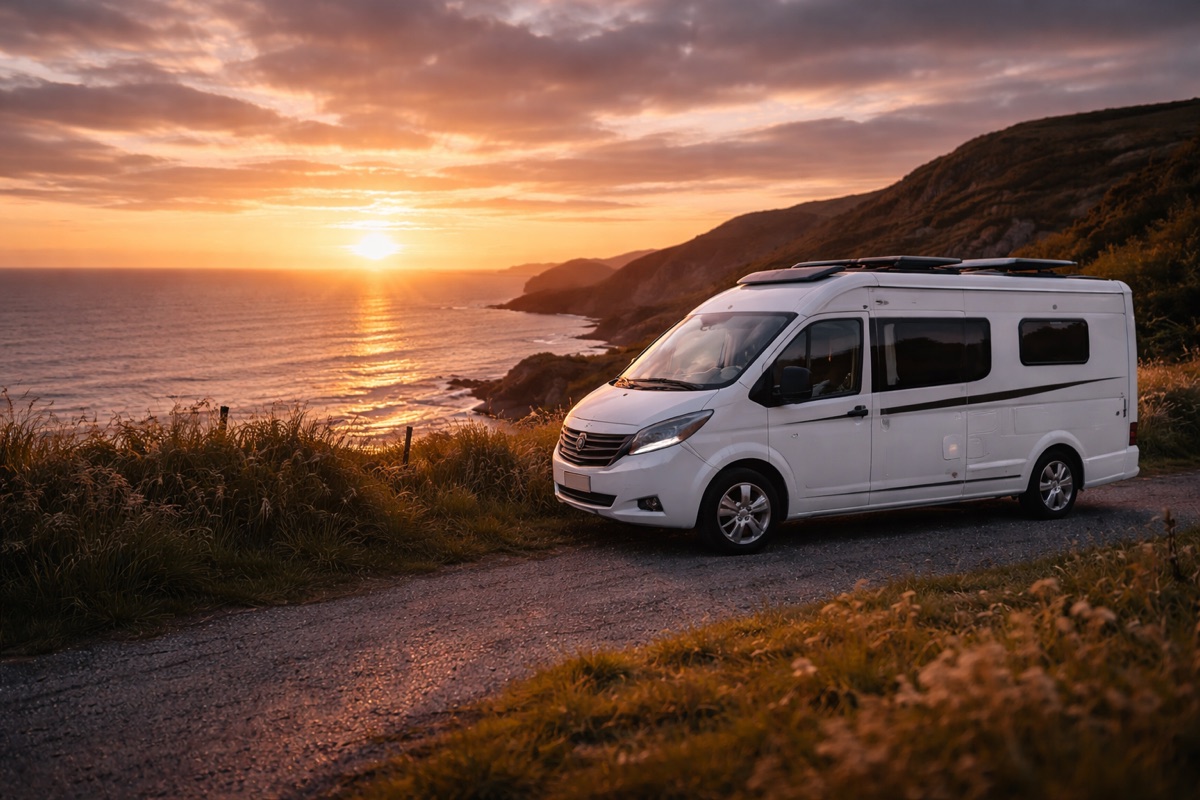
Why Compact Wins for Wild Camping
There's a compelling logic to choosing a compact motorhome or campervan for wild camping that larger vehicles simply can't match. When your goal is reaching remote beauty spots, parking discreetly, and exploring freely, every extra centimetre of length becomes a liability rather than an asset.
Compact motorhomes — roughly defined as under 6 metres long — fit in standard parking spaces, navigate single-track roads without anxiety, and attract far less attention than their larger siblings. For the wild camping community, these advantages often outweigh the sacrifice in living space.
The Stealth Camping Advantage
Let's address the elephant in the room: stealth camping. Many wild camping enthusiasts prefer vehicles that don't scream "motorhome" to every passer-by. A compact campervan parked in a layby, seafront car park, or quiet village looks far less conspicuous than a 7-metre coachbuilt looming over adjacent vehicles.
Panel van conversions from brands like Sussex Campervans and Volkswagen California excel here. From outside, they look like ordinary commercial vans or MPVs. Inside, they contain everything needed for comfortable overnight stays. This discretion isn't about doing anything wrong — it's about camping without confrontation or unwanted attention.
Compact Brands Worth Considering
Romahome
Romahome pioneered the micro-motorhome concept in the UK, building compact vehicles that blur the line between large campervans and small motorhomes. Based on car-derived vans, Romahome models are genuinely small enough for daily driving and supermarket car parks, yet contain sleeping, cooking, and washing facilities.
Though Romahome is now discontinued, used examples offer exceptional value. Their compact dimensions — typically under 5 metres — make them the ultimate stealth wild camping vehicle. Parts availability remains reasonable thanks to standard base vehicles and common habitation components.
Sussex Campervans
Sussex Campervans build VW-based micro-campervans that prioritise compact dimensions and versatility. These conversions maintain the VW's city-friendly footprint whilst adding clever sleeping and cooking arrangements. For wild camping along the South Downs or in coastal car parks, their compact size is a genuine advantage.
VW California
The Volkswagen California remains the benchmark for compact camping vehicles. Factory-built quality, pop-top roof for standing height, and dimensions that make daily driving genuinely practical. T6.1 and T7 models command premium prices, but T5 Californias offer more accessible entry points to VW camping life.
Other Compact Options
Several other brands produce vehicles under 6 metres worth investigating: Nu Venture builds car-sized motorhomes with surprising capability. Auto Campers produce Ford Transit-based conversions in compact formats. Bilbo's have been converting VW vans for over 45 years, producing well-proven compact campervans.
What You Gain Under 6 Metres
- Standard parking spaces: Most UK parking spaces are 4.8m long. A compact campervan fits; a 7-metre motorhome doesn't. This transforms your options for coastal car parks, town centres, and National Trust sites.
- Single-track roads: Scottish Highlands, Lake District passes, and Welsh valleys feature narrow roads where larger motorhomes cause stress and hold-ups. Compact vehicles handle these roads like cars.
- Height barriers: Many car parks have 2.0-2.1m height barriers. Low-profile campervans pass underneath; coachbuilt motorhomes don't.
- Fuel economy: Expect 30-40 mpg from a compact campervan versus 25-30 mpg from a larger motorhome. Over a touring season, this saving is substantial.
- Year-round use: Many compact campervan owners use their vehicle as daily transport, making ownership economics much more favourable than a motorhome that sits idle between trips.
What You Sacrifice
Honesty matters here. Compact motorhomes involve genuine compromises:
- Living space: Extended rainy periods in a sub-6m vehicle test any relationship. Standing height may require a pop-top roof. Storage is limited.
- Bathroom facilities: Most compact campervans lack fixed bathrooms. Portable toilets and campsite facilities become part of the routine. Some owners consider this a minor inconvenience; others find it a dealbreaker.
- Sleeping arrangements: Typically limited to 2 berths. Converting the living area to a bed (and back again each morning) becomes a daily ritual.
- Water and power: Smaller tanks and battery capacity mean more frequent top-ups. Extended off-grid stays require careful resource management.
Making Compact Work for Wild Camping
Experienced compact wild campers develop strategies that maximise their vehicle's potential:
Awnings and external living: A good awning doubles your usable space in dry weather. Side awnings that deploy in seconds transform a compact van into a comfortable outdoor kitchen and seating area.
Organised storage: Every item needs a designated home. Vacuum storage bags, magnetic spice racks, hanging organisers, and under-seat storage systems make compact living manageable.
Multi-use equipment: A chopping board that covers the sink, seats that convert to beds, and tables that fold flat. Compact camping rewards clever design and dual-purpose equipment.
External cooking: A portable gas stove or barbecue used outside keeps cooking smells, heat, and condensation out of the vehicle. Many wild campers cook exclusively outdoors in reasonable weather.
Buying a Compact Wild Camping Vehicle
When inspecting compact motorhomes, pay particular attention to:
- Pop-top mechanism: If fitted, check the canvas/bellows for wear, waterproofing, and smooth operation. Replacement is expensive.
- Conversion quality: Small converters vary enormously in build quality. Check electrical connections, gas installations, and structural fixings carefully.
- Base vehicle condition: Compact campervans are often used as daily drivers, accumulating higher mileage than occasional-use motorhomes. Standard used car checks apply.
- Damp: Smaller vehicles with less ventilation can suffer condensation-related damp issues. Check carefully around windows, roof seams, and rear corners.
The Verdict
If wild camping freedom matters more than interior luxury, a compact motorhome or campervan under 6 metres is hard to beat. You'll go places larger vehicles can't reach, park where they can't fit, and attract less attention doing it. The compromises are real, but for the wild camping community, the access and freedom gains far outweigh the space sacrifice.
Browse compact brands in our showroom and set up a stock alert to catch them as they arrive — compact campervans sell fast.
Looking for your next motorhome? Browse our showroom of quality used motorhomes from trusted UK dealers.